Chapter Zero Slovenia
AI Goes Beyond Tools, Redefining Mindset and Work

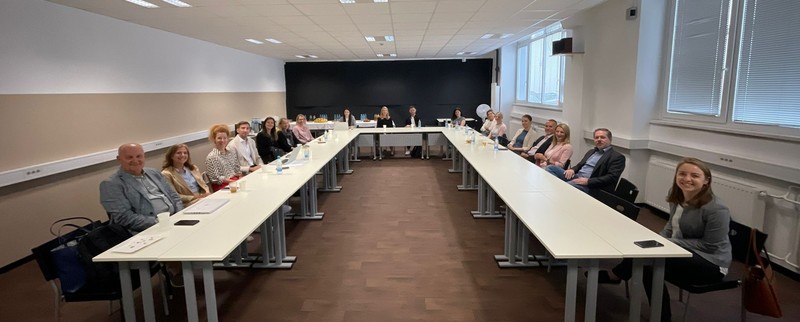
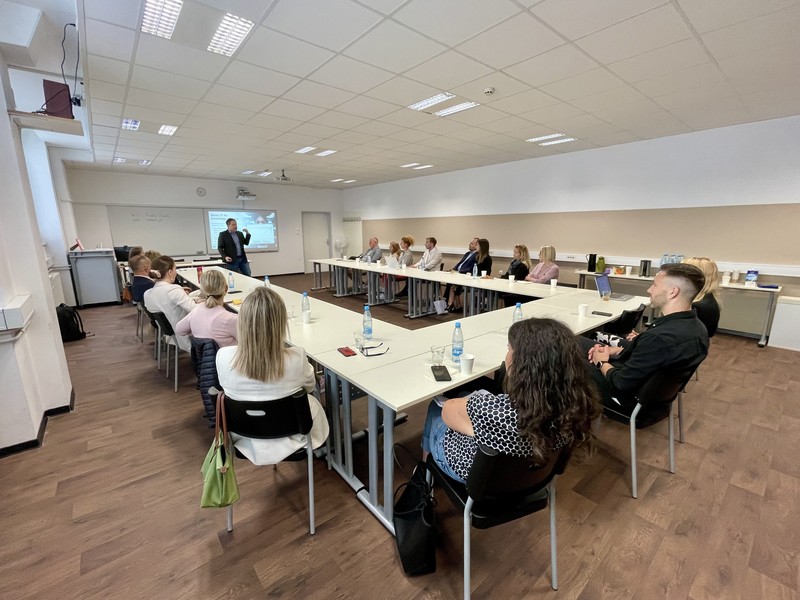
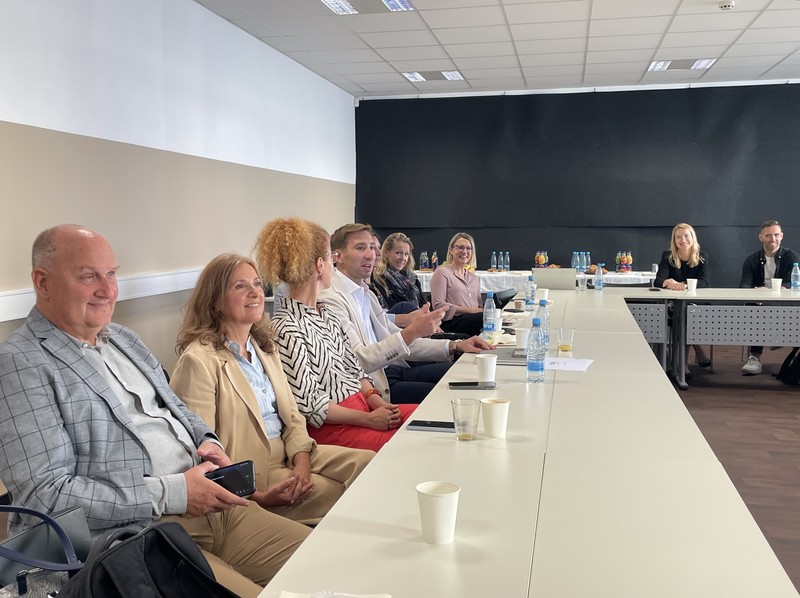
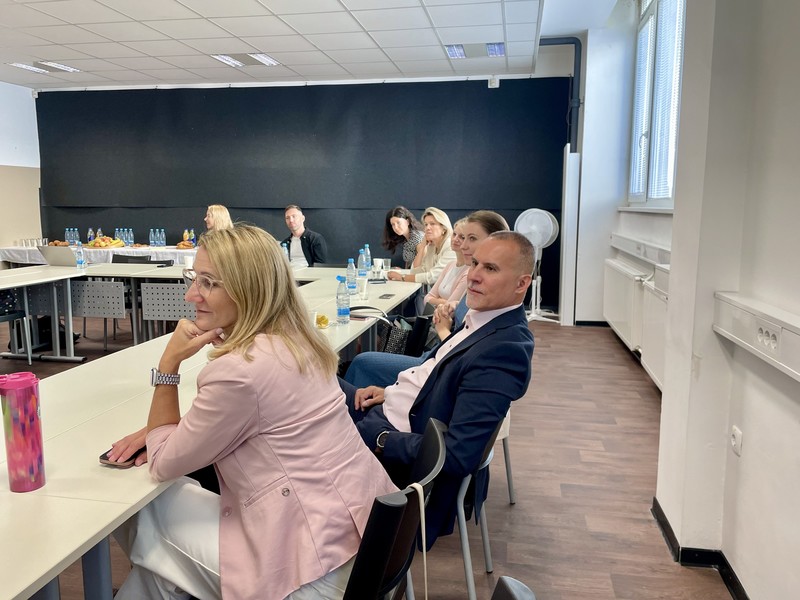
The latest People and Culture Council session, that took place on 19 September 2025 at education group Erudio, was dedicated to one of today’s most pressing topics: the role of artificial intelligence in shaping how we work and collaborate.
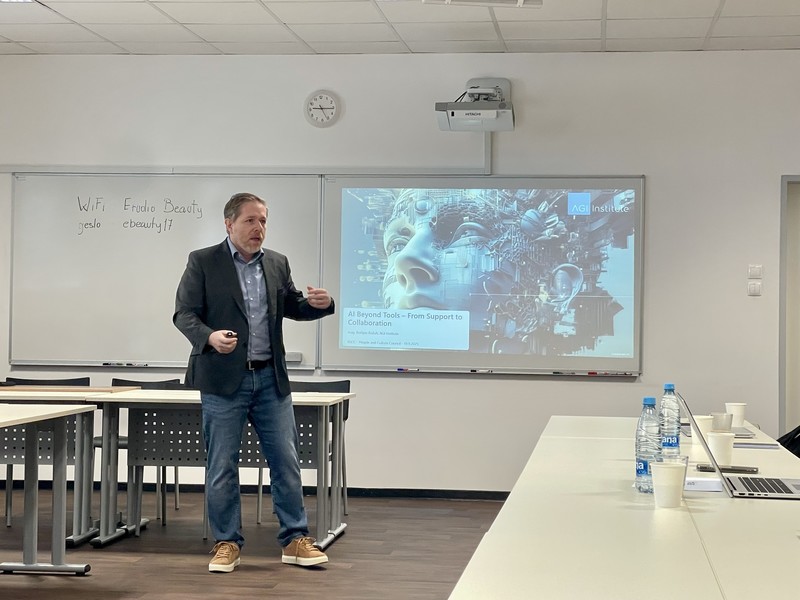
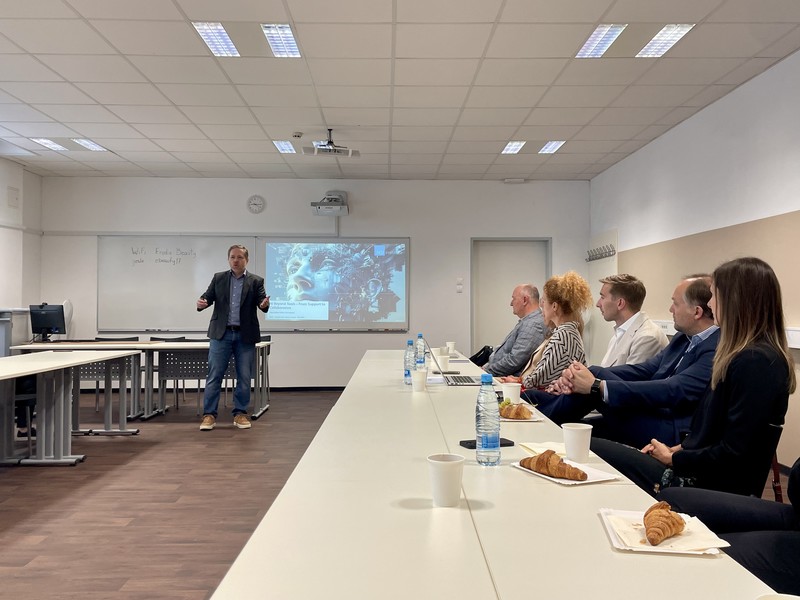
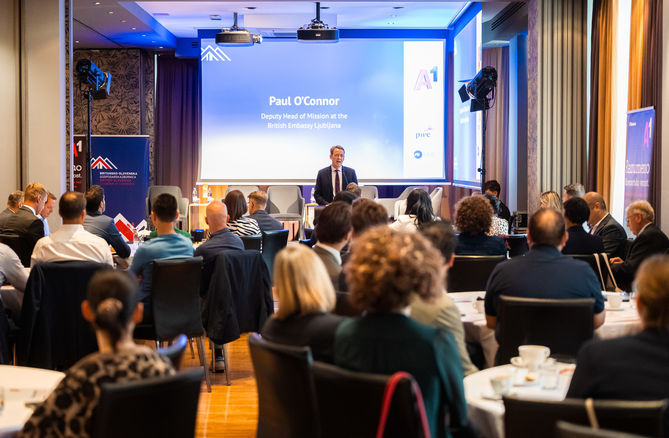
The highlight of the session was a guest presentation by Boštjan Kožuh, AI Strategy and Execution Advisor, who spoke on "AI Beyond Tools: From Support to Collaboration." He emphasized that the real value of AI lies not only in speed and efficiency, but in a fundamental shift in the way we approach work itself. According to Kožuh, it is no longer enough to see AI as just a tool. Its true potential lies in transforming our processes, decisions, and mindsets from the very start of any task or strategy.
Kožuh pointed out that while AI certainly makes work faster, the real significance is that it changes how work is done. This shift also forces us to rethink the question of human value and competitiveness in the workplace. As AI continues to evolve organizations must reflect on what people bring that remains uniquely valuable. He noted that the AI we are using today is the least capable version we will ever encounter, with progress accelerating at an extraordinary pace.
In his view, adoption is a prerequisite for meaningful transformation. Success depends on acceptance and understanding, including learning how to communicate effectively with AI systems to elicit better results. AI help will not come automatically; it requires intentional use and thoughtful interaction. To support this, organizations must embed AI into their strategies, creating clear policies that guide employees on what is allowed, what is expected, and how work will evolve in the future. Kožuh stressed that this cannot be treated merely as an IT project. Instead, it requires a cultural and strategic shift that touches every part of the organization.
He also compared international approaches, highlighting that the United Kingdom has launched a National AI Strategy that focuses on significant investment and global leadership in the field, while the European Union has concentrated primarily on regulation. Regulation is necessary, he said, but Europe must also develop a stronger vision of its AI-powered future.
The presentation was followed by a discussion among council members, touching on the use of AI agents, the ethical and moral implications of emerging technologies, what skills will be needed to use and manage AI, as well as how professionals can balance its use.