Chapter Zero Slovenia
Cybercrime Evolves in Scope and Sophistication through AI

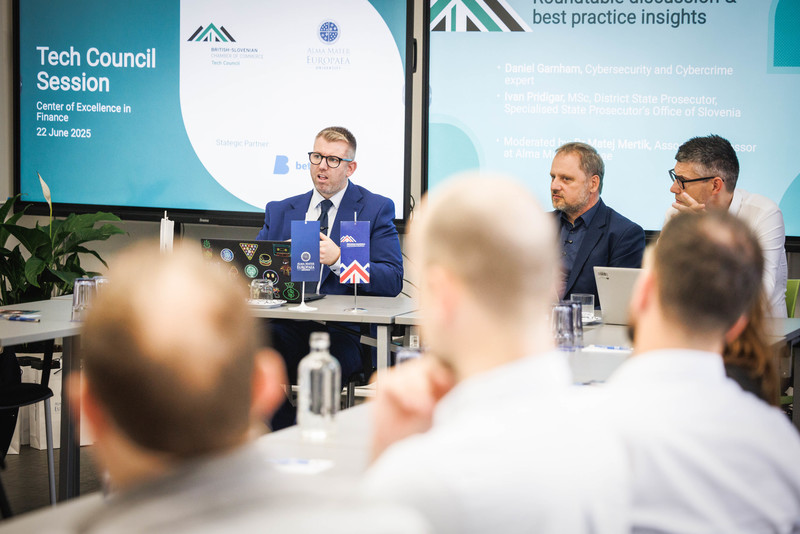
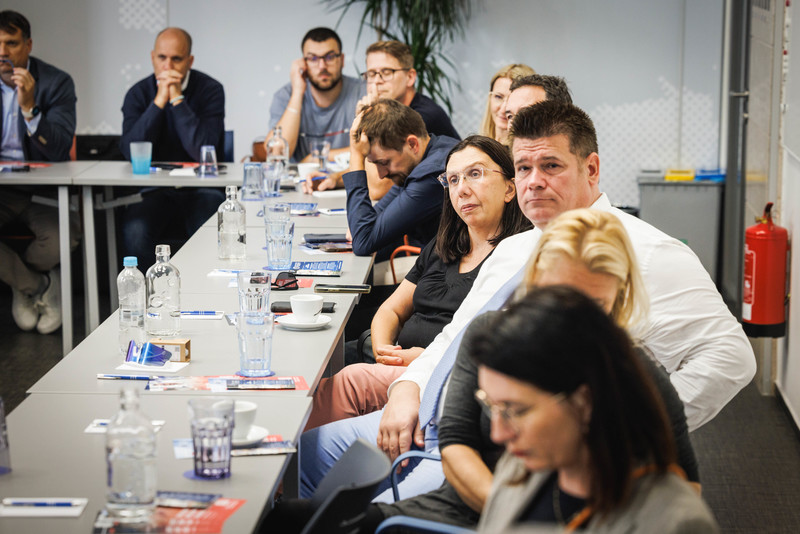
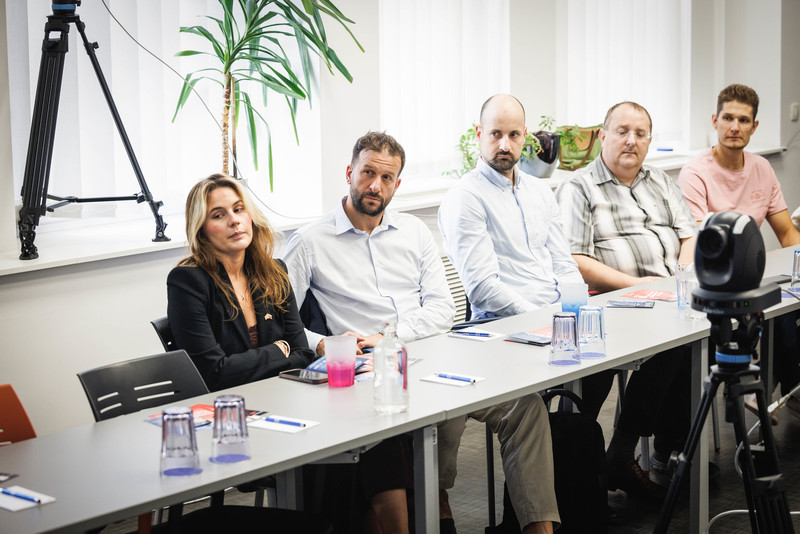
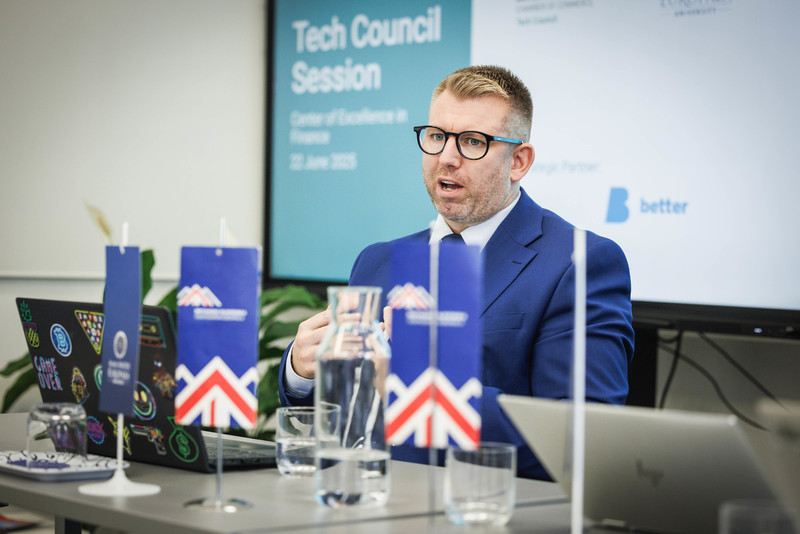
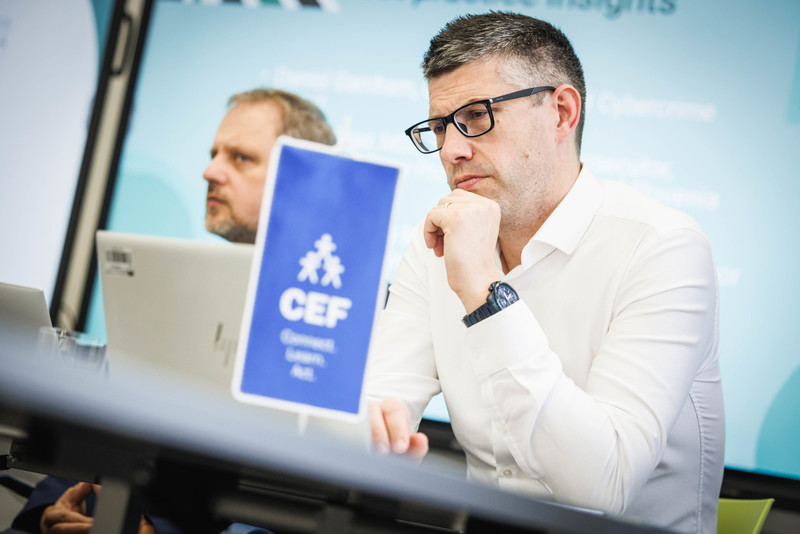
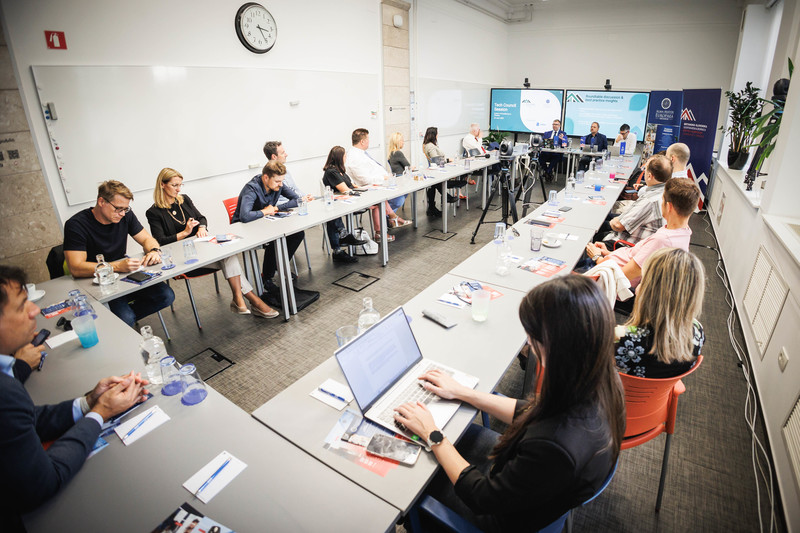
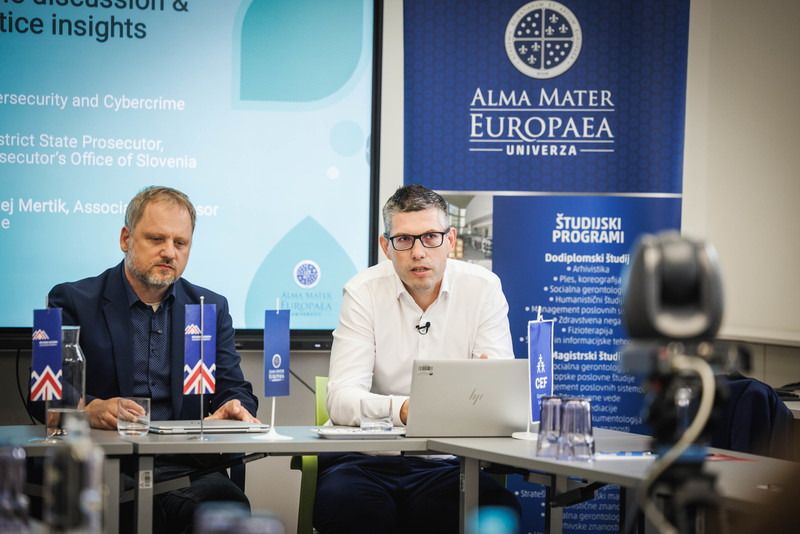
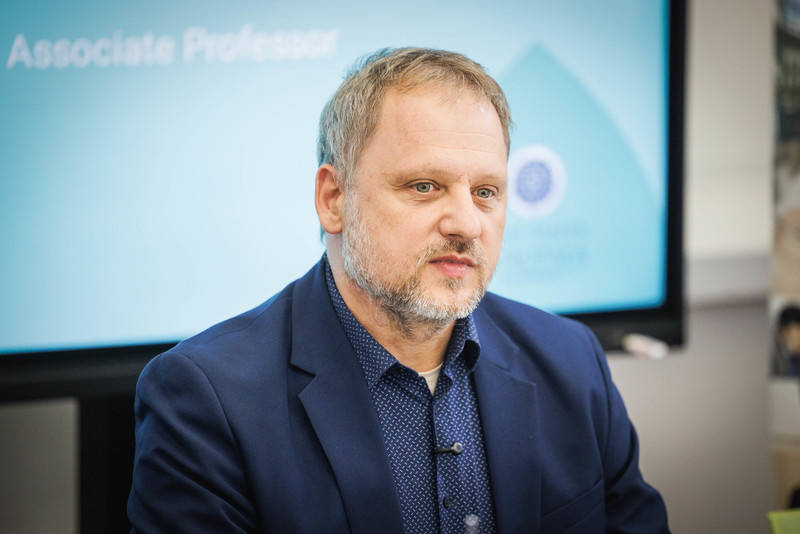
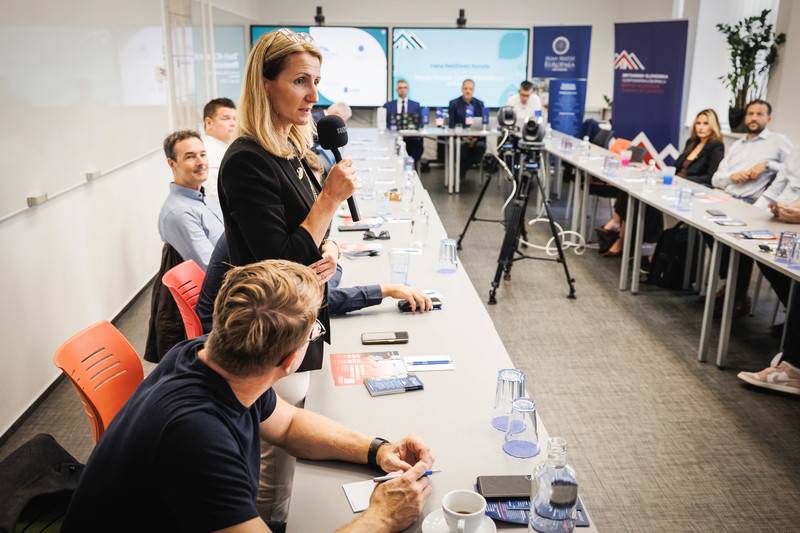
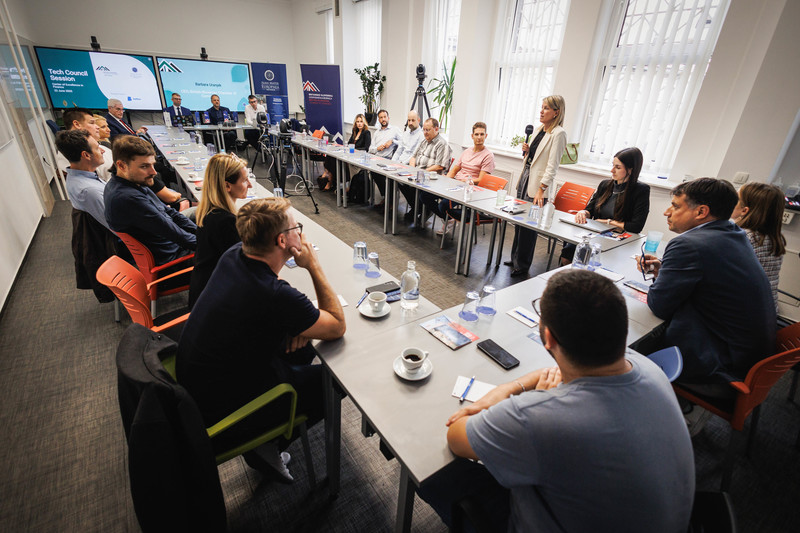
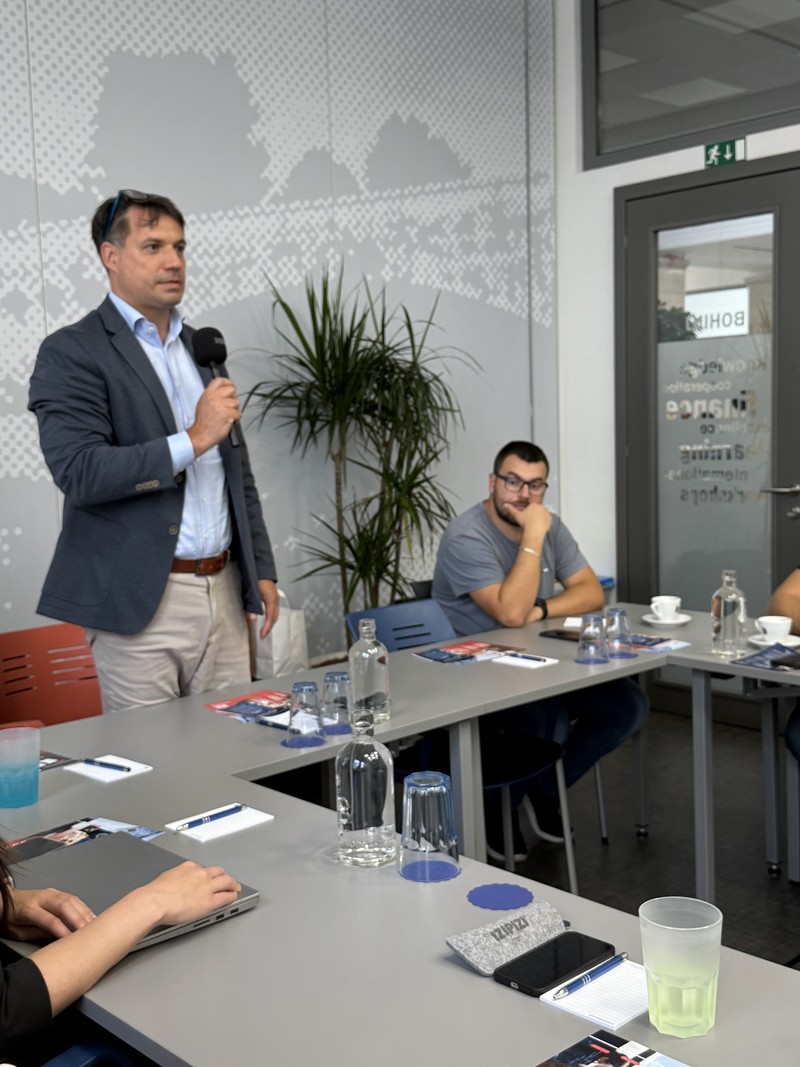
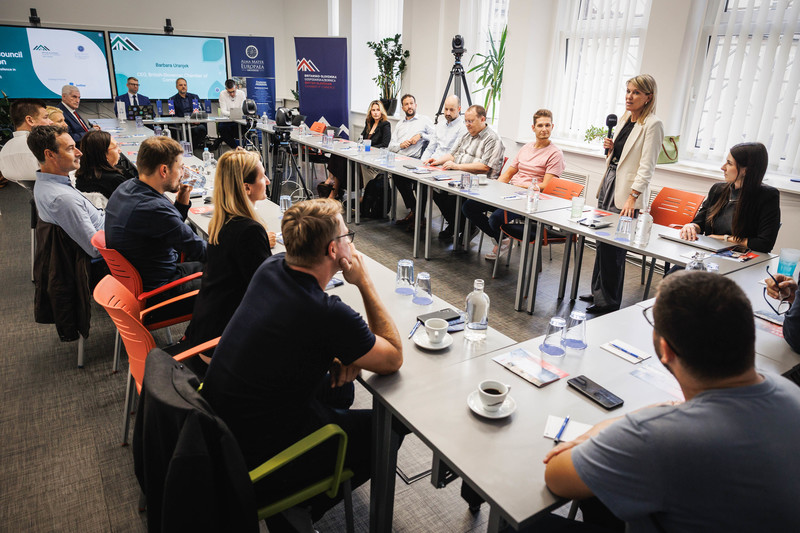
The special session of the Tech Council, held on 22 September 2025 at the Center of Excellence in Finance and organised in partnership with Alma Mater Europaea University, examined how cybercrime is evolving in both scope and sophistication, with artificial intelligence playing an increasingly central role. Two experts from Slovenia and the UK shared the latest trends, risks, and practical measures for strengthening cybersecurity during roundtable discussion, moderated by Dr Matej Mertik, Associate Professor at Alma Mater Europaea.
Tech Council Co-Chair Gregor Kovačič (Zavarovalnica Triglav) opened by noting that while organizations must constantly adapt to new threats, awareness remains just as important outside the company walls. “We can educate our employees, but our exposure also depends on how well customers protect their identities and prevent criminals from accessing sensitive data,” he said.
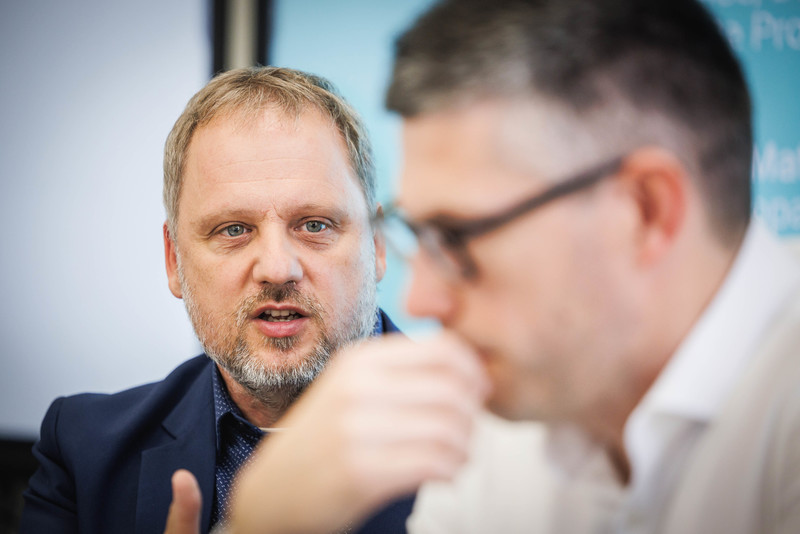
Ivan Pridigar, District State Prosecutor at the Specialised State Prosecutor’s Office of Slovenia, underlined the scale of the challenge, with cybercrime cases increasing by 20–30% each year. He described how AI makes fraud easier and more convincing, from deepfake videos to urgent fake emails designed to imitate company executives. Social engineering, he stressed, continues to cause severe financial harm to companies in Slovenia. Pridigar explained how essential it is to establish a dedicated cybercrime unit, arguing that only with such a structure can Slovenia keep pace with the sophistication and international nature of these crimes.
From the UK perspective, Daniel Garnham, leading UK cybersecurity expert, emphasized that one successful attack often leads to more: a UK study showed that organisations hit once are very likely to be targeted again. He added that many smaller companies wrongly believe they are too insignificant to become victims, when in fact attackers frequently use supply chains as a way in.
While insurance against cyber threats exists, Garnham noted that it is often unaffordable for smaller companies, making prevention the most practical approach. He stressed that improvements don't have to be expensive: even basic steps such as enforcing stronger authentication and using built-in protections on standard devices can make a meaningful difference. Without such measures, a single incident can undermine a company’s operations, shrink its business, or inflict lasting reputational harm.
The discussion made clear that cybersecurity can no longer be treated as optional. While cost-effective solutions are available, organizations must approach protection as a strategic priority. The session closed with a Q&A that explored AI’s dual role as both a threat and a tool for defense, as well as the need for education, regulation, and business practices to evolve alongside emerging risks.