Chapter Zero Slovenia
Slovenia and the United Kingdom Deepen Trade Cooperation with New MoU Signed at Conference in London
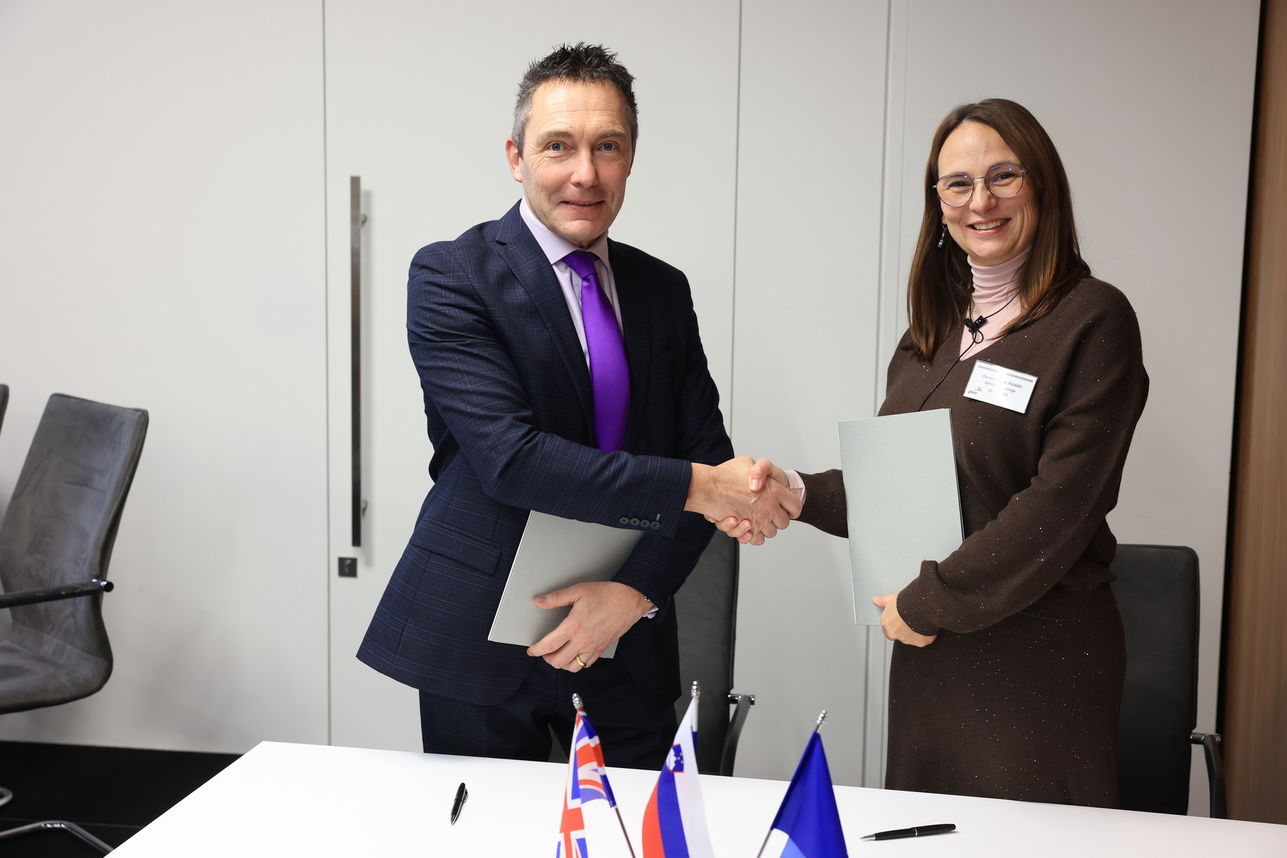
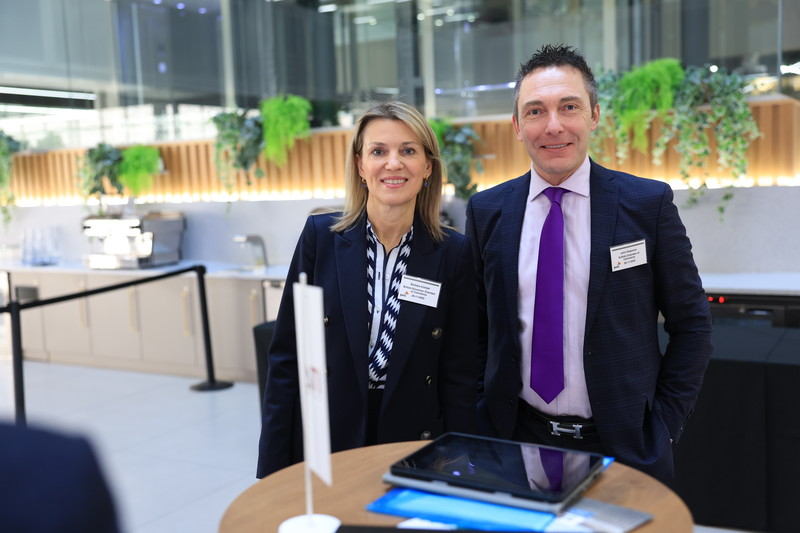
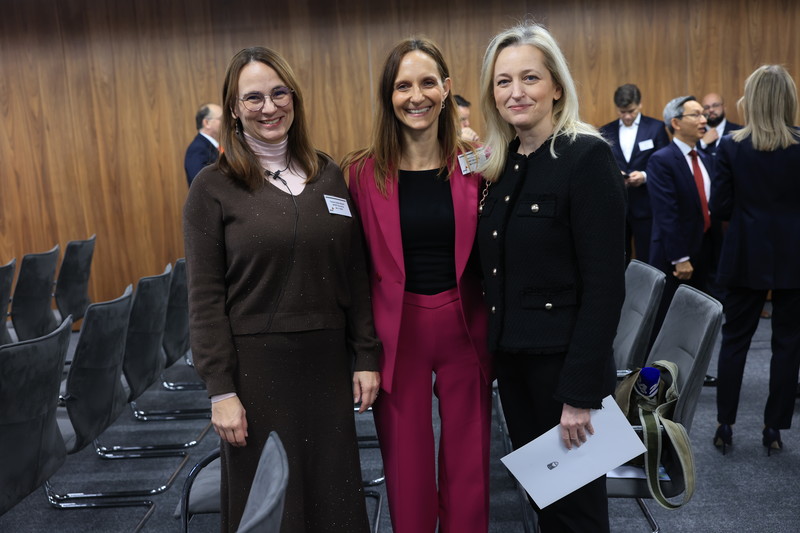
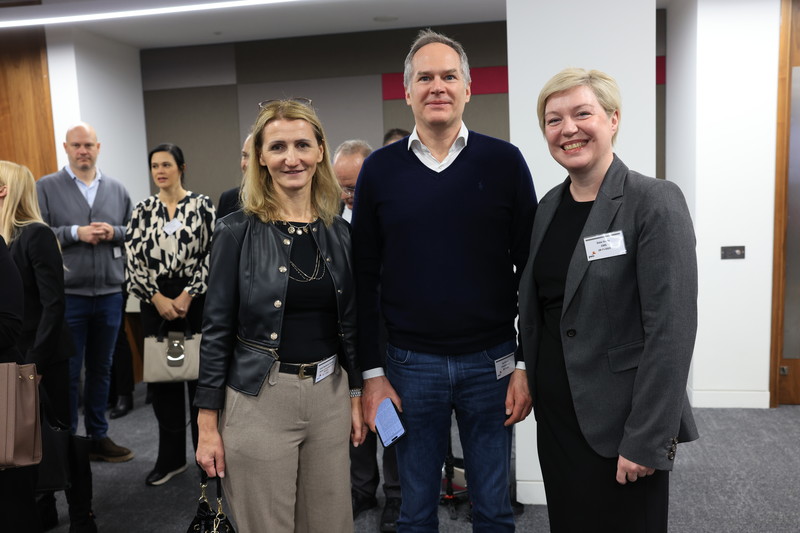
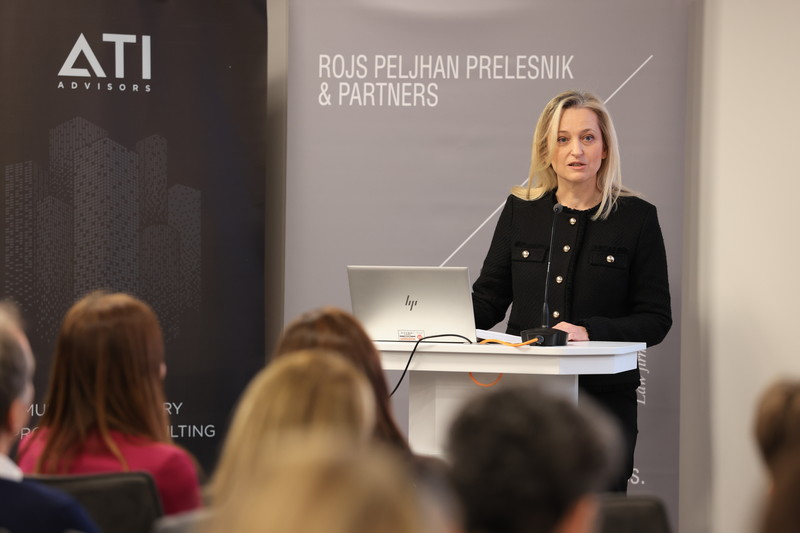
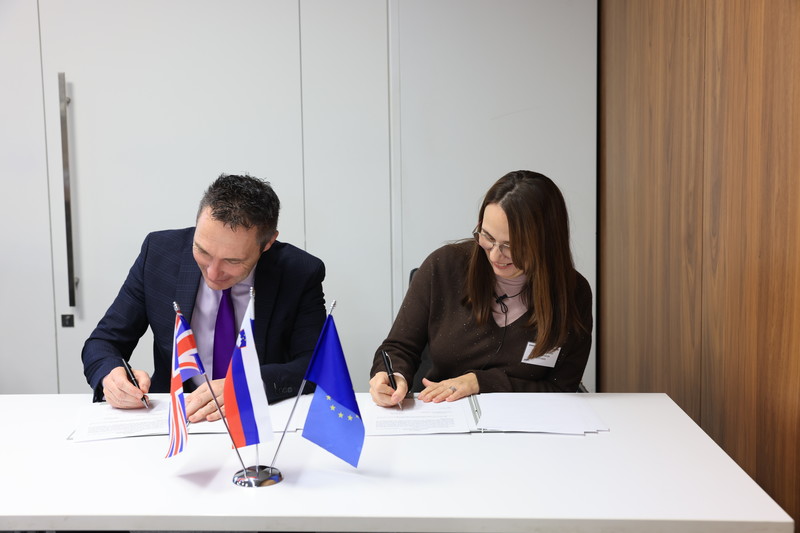
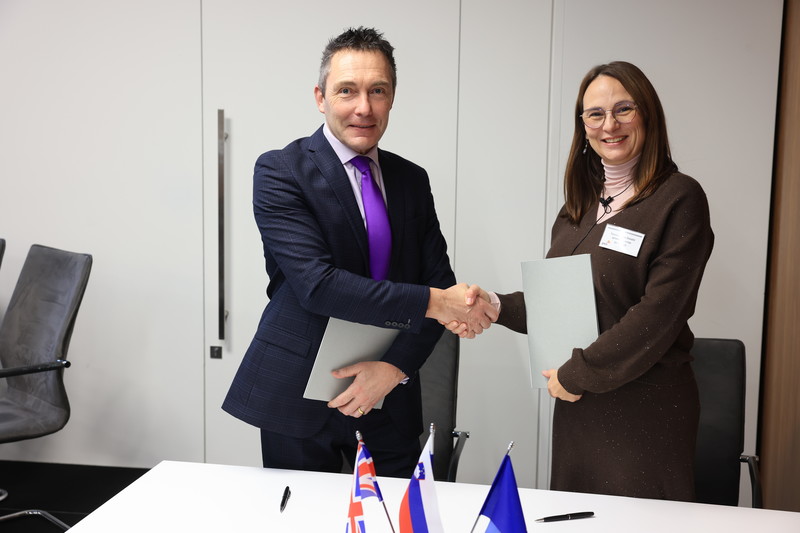
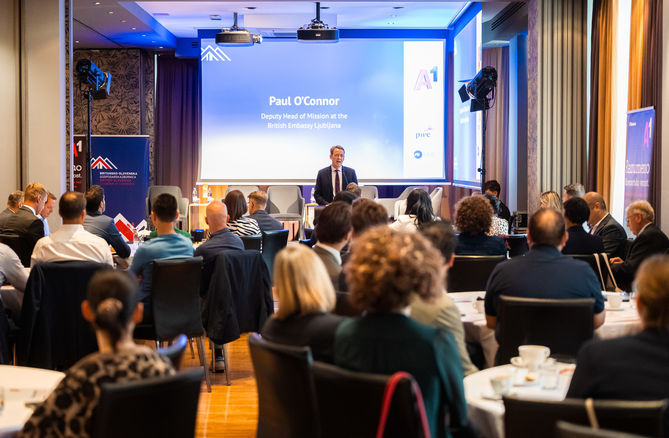
London, 28 November 2025 – Strengthening bilateral trade and investment was at the forefront of today’s business conference held at PwC in London, organised by the British-Slovenian Chamber of Commerce as part of its Business Delegation to Oxford and London. The central outcome of the event was the signing of a new Memorandum of Understanding (MoU) between SPIRIT Slovenia and the Suffolk Chamber of Commerce, creating an additional strategic link between Slovenia and one of the UK’s key regional business communities.
The agreement follows last year’s MoU between SPIRIT Slovenia and the West London Chambers of Commerce, signed at the Chamber’s 2024 business conference in London. These partnerships establish a growing network of regional cooperation across the United Kingdom that is designed to make access to the market more structured, predictable, and efficient for Slovenian companies.
The conference took place during a time of growing trade momentum. In the 12 months to Q4 2024, total trade in goods and services between the UK and Slovenia increased by 10.6 percent. Slovenia’s strengths in advanced manufacturing and export-oriented industry, combined with the UK’s high-value services, technology, and innovation ecosystem, continue to create a strong basis for deeper economic ties.
Barbara Uranjek, CEO of the British-Slovenian Chamber of Commerce, highlighted the importance of pairing political will with concrete support instruments. She underlined that recent trade figures confirm a positive trajectory, but that institutional frameworks are essential to turn potential into outcomes. "We are seeing clear and sustained growth in UK–Slovenia trade, both in goods and services. This is not a coincidence, but a result of companies on both sides actively looking for new partners, and of institutions creating the right conditions. With MoUs now in place in West London and Suffolk, we are building practical bridges that help companies enter new markets faster and in a more predictable, structured way."
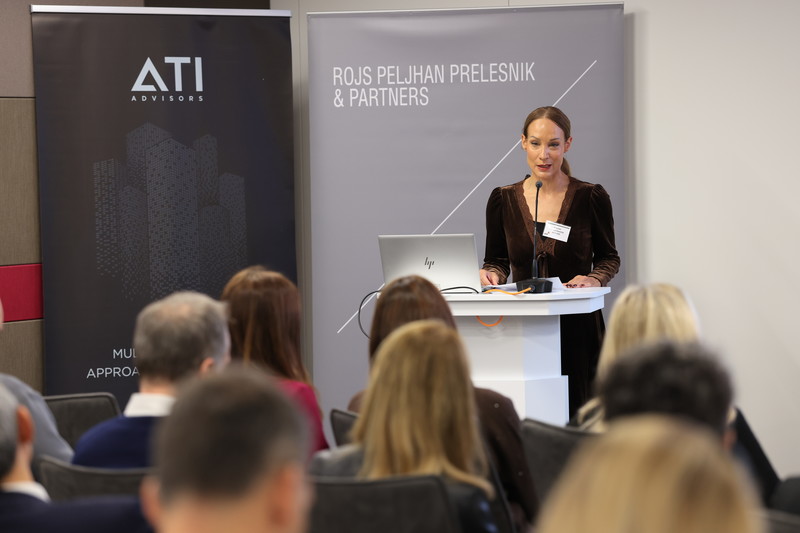
In her opening address, Meira Hot, Vice President of the Slovenian National Assembly, underscored the broader political and societal context of this cooperation. "These figures tell a compelling story of a partnership that is healthy, evolving, and bristling with potential. But numbers alone do not make a relationship flourish. In my role as President of the Parliamentary Friendship Group with the United Kingdom, I deeply value this cooperation and the commitment of our institutions, the energy of our businesses, and the trust between our people that transforms opportunity into shared success," she said.
For SPIRIT Slovenia, the London conference and the new MoU are part of a longer-term strategy to deepen engagement with the UK market. "The United Kingdom remains an extremely important and promising market for Slovenian companies, which is why our agency, in cooperation with partners, has been carrying out targeted activities to strengthen economic cooperation for some time now," said Tamara Zajec Balažič, Director of SPIRIT Slovenia. "I am delighted that during the business delegation’s visit to London, we are signing a MoU between SPIRIT Slovenia and the Suffolk Chamber of Commerce. The agreement will strengthen trade and investment cooperation between the two countries and provide companies with expert support in finding new opportunities and establishing partnerships. This is an important step towards deepening economic ties, and we expect to see results in the form of concrete projects and joint initiatives that will strengthen cooperation between our companies."
From the UK regional perspective, the partnership is designed to translate international interest into local growth. "The signing of this MoU with SPIRIT Slovenia is a significant step in strengthening trade links between our regions. It provides a clear framework for collaboration and practical support for businesses entering new markets," said John Dugmore, Chief Executive of the Suffolk Chamber of Commerce. "For Suffolk Chamber, and our members across the County, this reflects our ongoing commitment to building international partnerships and creating opportunities that help our members thrive globally. We’re already planning joint initiatives for 2026 to turn this partnership into real growth for both economies."
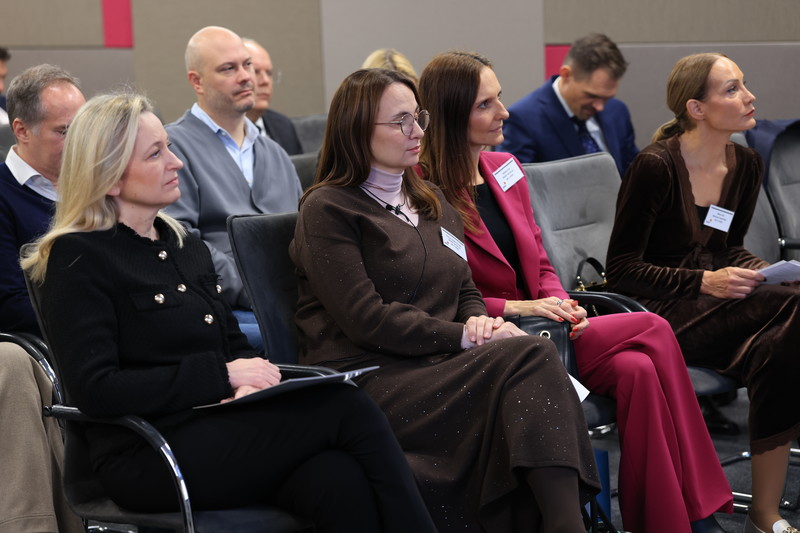
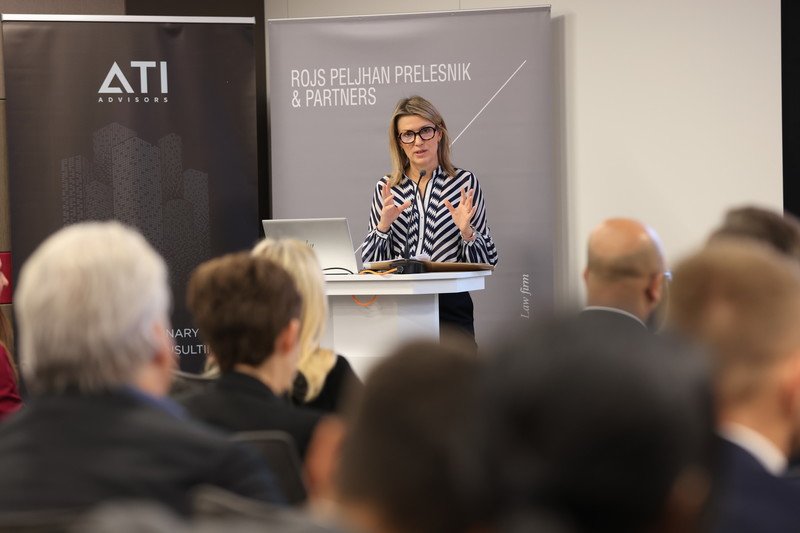
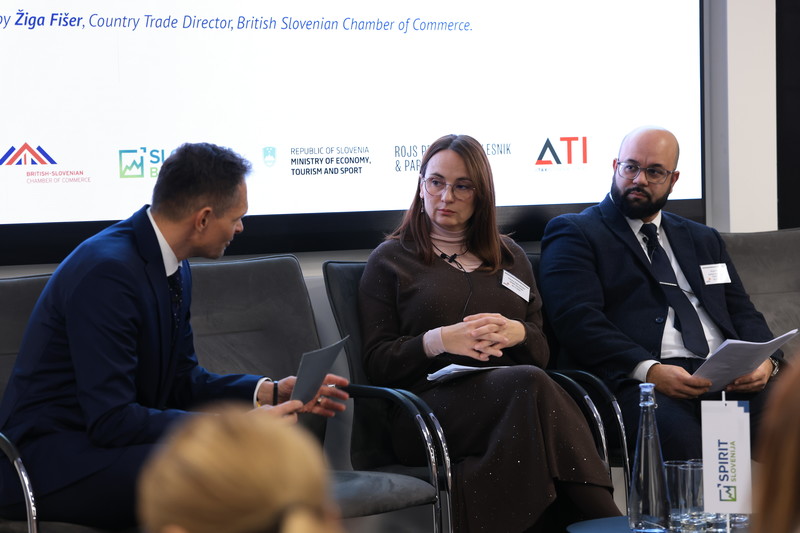
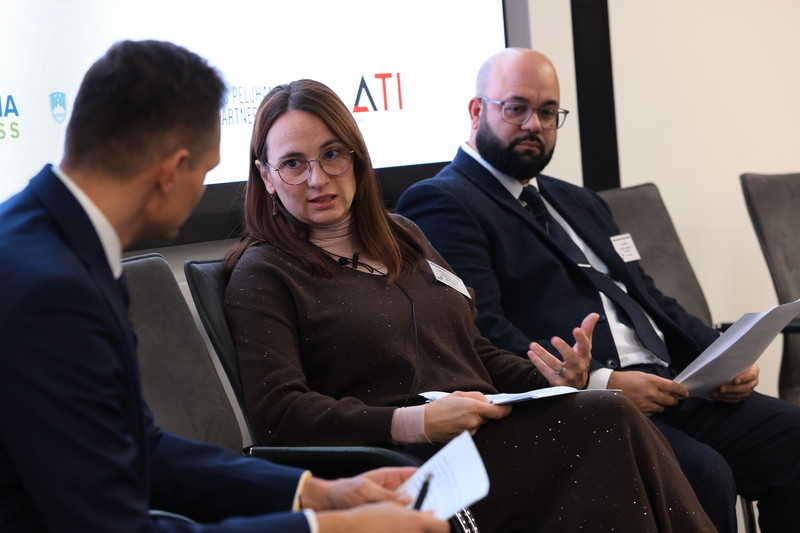
First panel discussion at the conference focused on the new business opportunities and joint activities that the MoU will bring, how companies can handle regulatory complexity, identify sector-specific opportunities, and make use of the regional chamber network in the UK. Particular attention was given to the role of chambers of commerce and economic development agencies in helping small and medium-sized enterprises manage customs procedures, understand regulatory requirements, and connect with reliable local partners. The panelists were Tamara Zajec Balažič, Director of SPIRIT Slovenia, and Koyas Miah, International Trade Manager at the Suffolk Chamber of Commerce.
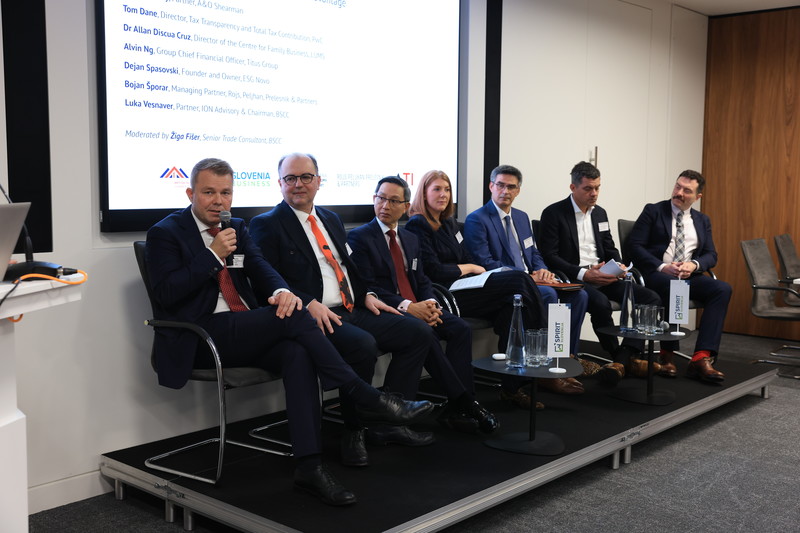
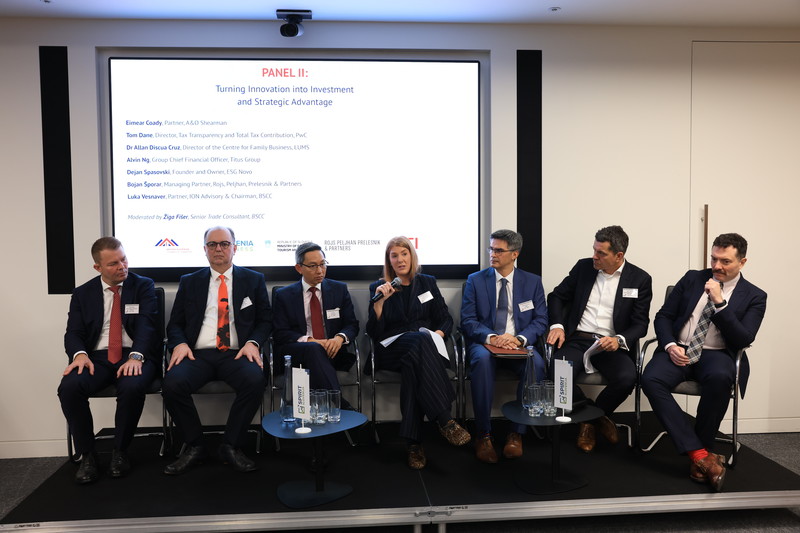
This was followed by a second panel discussion on Resilient Growth: Turning Innovation into Investment and Strategic Advantage, which examined how innovative companies can move from early-stage development to investor readiness and long-term value creation. The conversation highlighted the innovation triangle between science, government, and business, and explored how legal, tax, financial, and strategic frameworks shape a company’s ability to scale, attract quality investment, and build competitive strength in global markets. The panel brought together a number of experts: Eimear Coady, Partner of A&O Shearman; Tom Dane, Director, Tax Transparency and Total Tax Contribution at PwC; Dr Allan Discua Cruz, Director of the Centre for Family Business at LUMS; Alvin Ng, Group Chief Financial Officer of Titus Group; Dejan Spasovski, Founder and Owner of ESG Novo; Bojan Šporar, Managing Partner of Rojs, Peljhan, Prelesnik & Partners; Luka Vesnaver, Managing Partner of ION Advisory & Chairman of the Chamber. Both discussions were moderated by Žiga Fišer, Senior Trade Consultant at the Chamber.
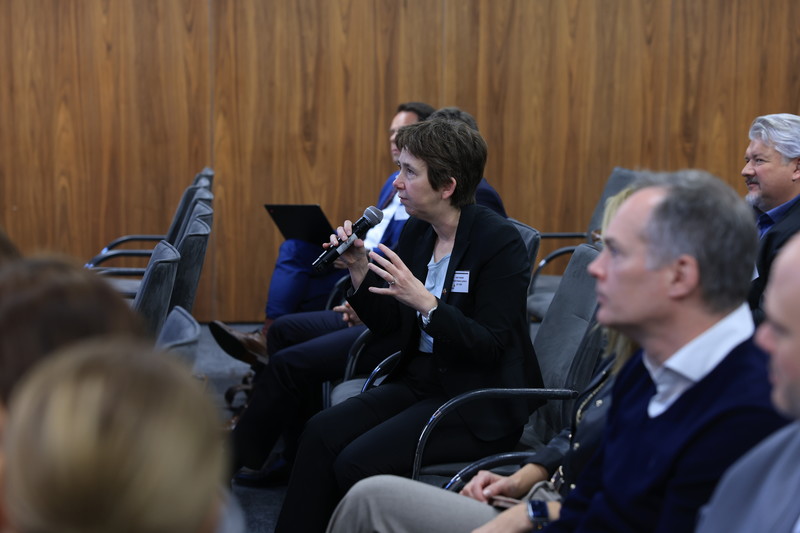
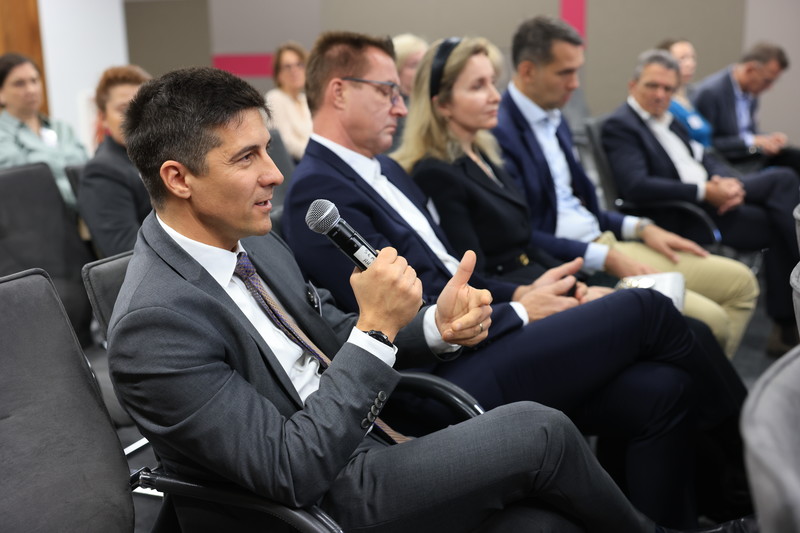
A key part of the second discussion also focused on founder-owned and family-run businesses, which make up the majority of companies worldwide. Speakers reflected on the moment when founders must decide whether to bring in external investors, enter strategic partnerships, or consider a sale, and what each of these decisions means for governance, legacy, and future growth. The panel compared UK and Slovenian experiences, pointing to the importance of transparent tax frameworks, clear ownership structures, and long-term strategic planning that allows innovative family businesses to professionalise, internationalise, and reinvest in new waves of innovation.
Find the full gallery from the conference here.
The conference was organized in cooperation with SPIRIT Slovenia, the Ministry of Economy, Tourism and Sport, the law firm Rojs, Peljhan, Prelesnik & partners, and A Tax International, and supported by the Slovenian Embassy in London.